Case Study
Taxi App (NestJS + React)
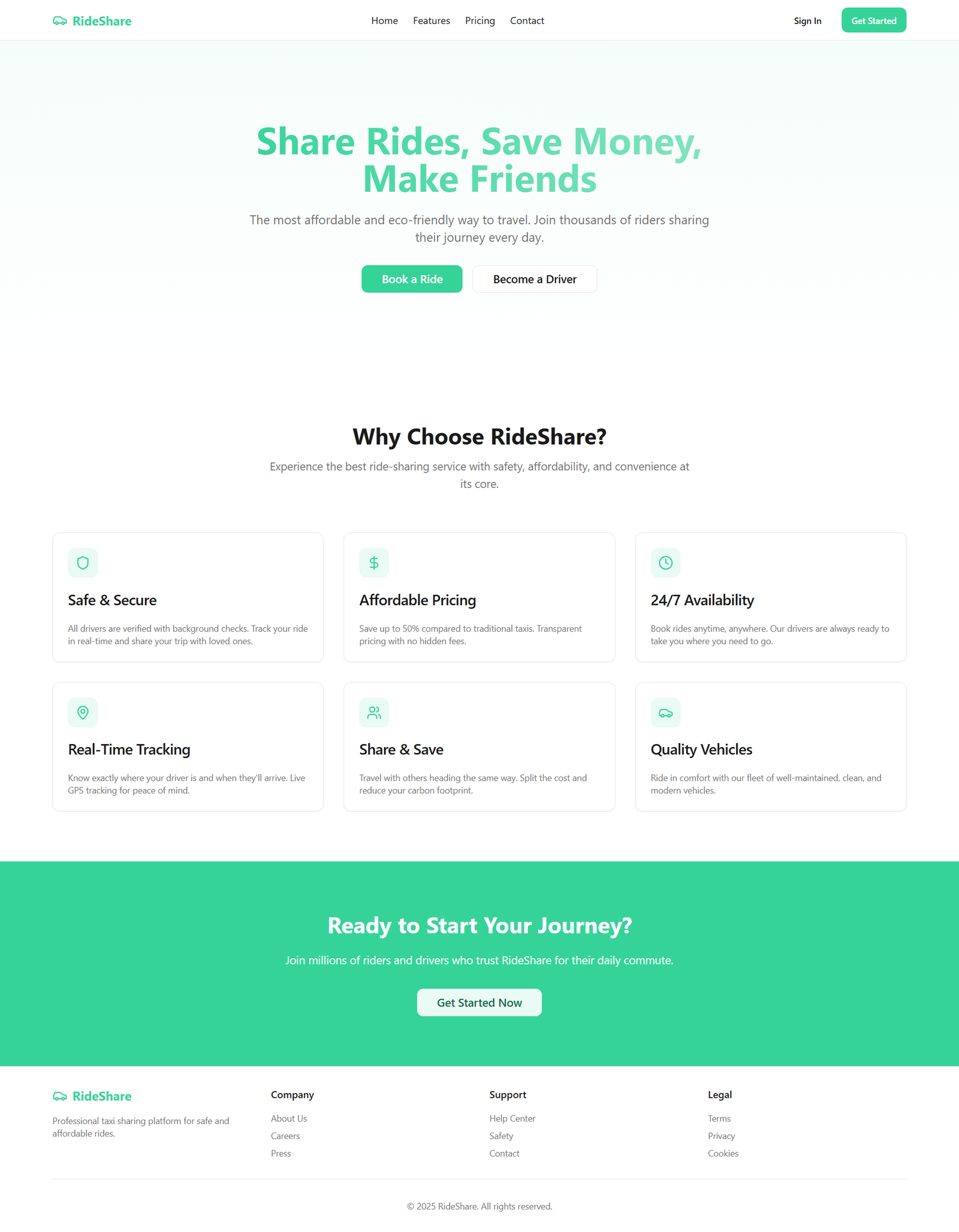
Real-time ride dispatch, driver tracking, fare calculation, and admin analytics.
Project Details
About This Project
🚖 Project Overview
Scope:
The project focuses on building a complete end-to-end ride-hailing ecosystem that connects riders and drivers in real time, offering dynamic trip matching, optimized dispatching, and secure in-app payments. The system ensures minimal waiting time for passengers, high driver efficiency, and transparent trip tracking for all stakeholders.
The project focuses on building a complete end-to-end ride-hailing ecosystem that connects riders and drivers in real time, offering dynamic trip matching, optimized dispatching, and secure in-app payments. The system ensures minimal waiting time for passengers, high driver efficiency, and transparent trip tracking for all stakeholders.
It includes driver and rider mobile/web apps, a real-time dispatch engine, and admin dashboards for operations, monitoring, and payments — powered by modern geospatial and WebSocket-based infrastructure.
🎯 Objectives
- Reduce Passenger Wait Time:
- Use geospatial proximity search and real-time driver availability to minimize delays.
- Introduce intelligent routing and dynamic pricing based on current supply/demand.
- Improve Driver Utilization:
- Ensure drivers are continuously assigned optimized trips with minimal idle time.
- Implement automated zone-based dispatching and trip scheduling.
- Enhance Safety & Transparency:
- Enable live tracking and route replay for riders, drivers, and admins.
- Implement trip verification, SOS alerts, and driver/rider ratings.
- Seamless Digital Payments:
- Integrate Stripe and PayPal for in-app payments, payouts, and refunds.
- Support wallet balance, surge fares, and promo codes.
- Scalable Architecture for Growth:
- Design microservice-friendly APIs for multi-city deployment.
- Support future modules such as ride pooling and corporate accounts.
🧩 Core Features
- Rider App / Module
- Real-time location detection and nearby driver discovery.
- Ride request with ETA, fare estimation, and route preview.
- In-app payments, trip tracking, and post-ride feedback.
- Driver App / Module
- Live ride requests via WebSocket push notifications.
- Navigation integration (Google Maps / Mapbox).
- Trip acceptance, start/end tracking, and earnings summary.
- Availability toggles and performance analytics.
- Dispatch & Matching Engine
- Built on Redis streams for real-time message queuing.
- PostGIS-powered geospatial queries for nearby driver search.
- Dynamic prioritization based on proximity, rating, and idle time.
- Supports zone-based allocation and surge management.
- Admin Dashboard
- View live map of active trips, idle drivers, and ongoing rides.
- Manage fares, driver approvals, payouts, and penalties.
- Monitor system metrics — average wait times, ride cancellations, and trip distances.
- Trip Lifecycle Management
- Status flow: Requested → Accepted → On Route → Completed / Cancelled.
- Continuous trip updates using WebSockets and Redis Pub/Sub.
- Route history stored in PostGIS for analytics and replays.
- Payment & Wallet System
- In-app fare calculation and payment authorization.
- Support for Stripe, PayPal, and internal wallet.
- Driver payout automation with commissions and transaction logs.
- Ratings & Reviews
- Two-way rating system for riders and drivers.
- Feedback analytics for improving service quality.
- Fraud and abuse detection workflows.
⚙️ Technology Stack
Layer Technology Purpose
| Backend | NestJS (TypeScript) | Service orchestration, REST APIs, and real-time sockets.
| Frontend | React.js | Web dashboard and client app for real-time trip visualization.
| Database | PostgreSQL + PostGIS | Store geospatial data, routes, and ride histories.
| Cache & Messaging | Redis | Queues, Pub/Sub, and dispatch event streaming.
| Real-Time Communication | WebSockets | Driver-rider synchronization and trip updates.
| Payments | Stripe / PayPal | In-app fare collection and driver payouts.
| Deployment | Docker / Kubernetes | Scalable containerized infrastructure.
🧠 Architecture Highlights
- Event-Driven Microservices: Decoupled services for riders, drivers, trips, and payments communicating via Redis streams.
- Geospatial Intelligence: Real-time proximity detection using PostGIS ST_DWithin() and spatial indexing.
- WebSocket Cluster Scaling: Horizontal scaling supported by Redis-backed WebSocket adapters.
- Trip Analytics: Location points logged per second for playback, anomaly detection, and demand prediction.
- Resilience & Observability: Centralized logging, metrics dashboards, and alerting for trip and dispatch events.
🚦 Trip Flow Summary
- Rider requests a trip with origin and destination.
- Dispatch engine finds nearest available driver.
- Driver receives real-time request and accepts via WebSocket.
- Rider sees live tracking until driver arrival.
- Fare auto-calculated and charged via Stripe/PayPal.
- Driver earnings recorded; payout queued for processing.
- Both parties rate the trip post-completion.
📊 Current Status
- Core ride flow (request → dispatch → payment) implemented and tested.
- Real-time updates via Redis + WebSocket stable in staging.
- Next milestone: Enhance dispatch optimization with predictive demand models and idle-time reduction logic.
- Planned integrations: trip pooling, SOS module, and fleet analytics dashboard.
Project Gallery
Visual Showcase
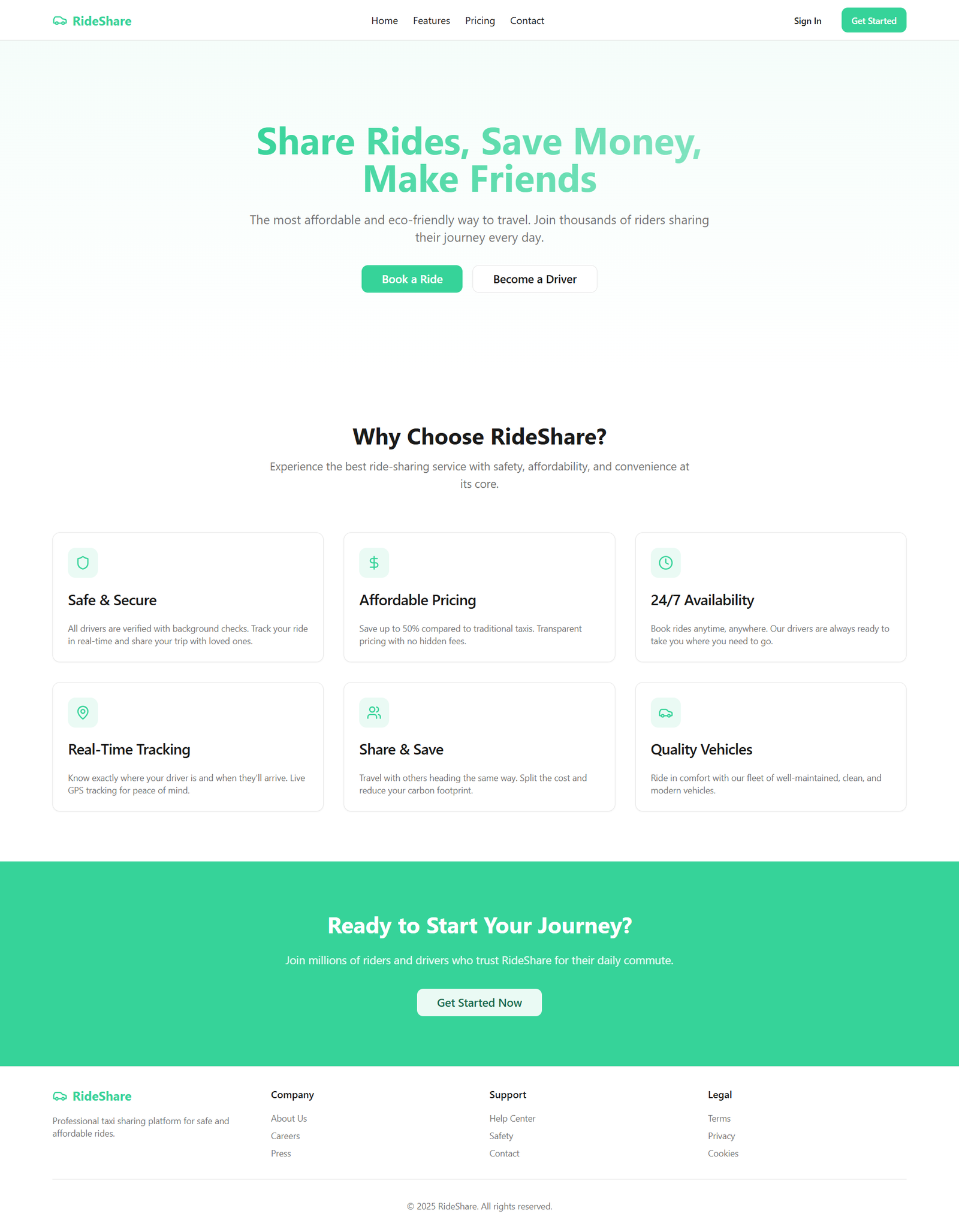
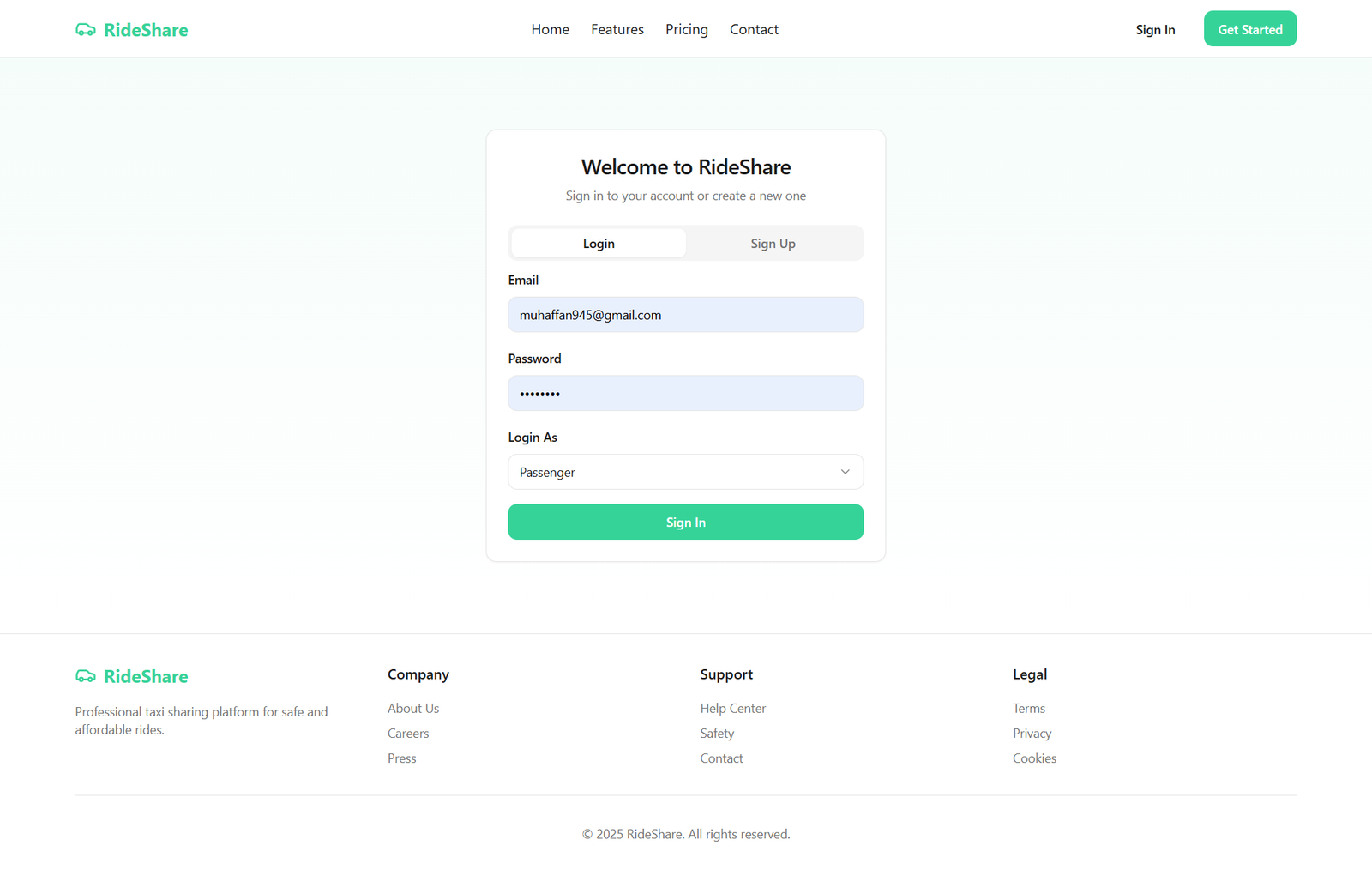
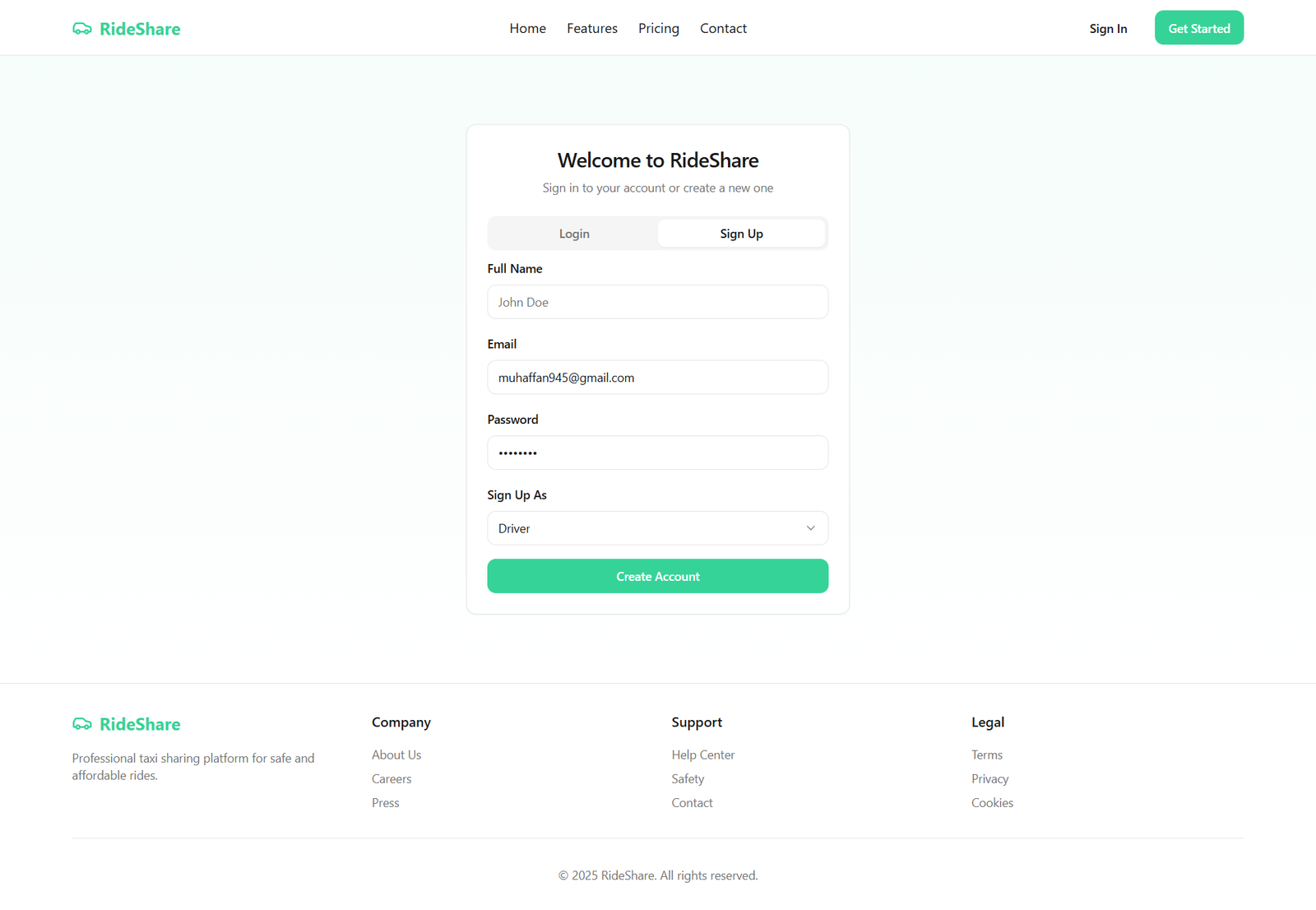
Explore screenshots and visual highlights from this project
1 / 3
2 / 3
3 / 3
Interested in Similar Work?
Let's discuss how we can create something amazing for your business with the same level of quality and attention to detail.